
Comfort for Field Hockey Footwear
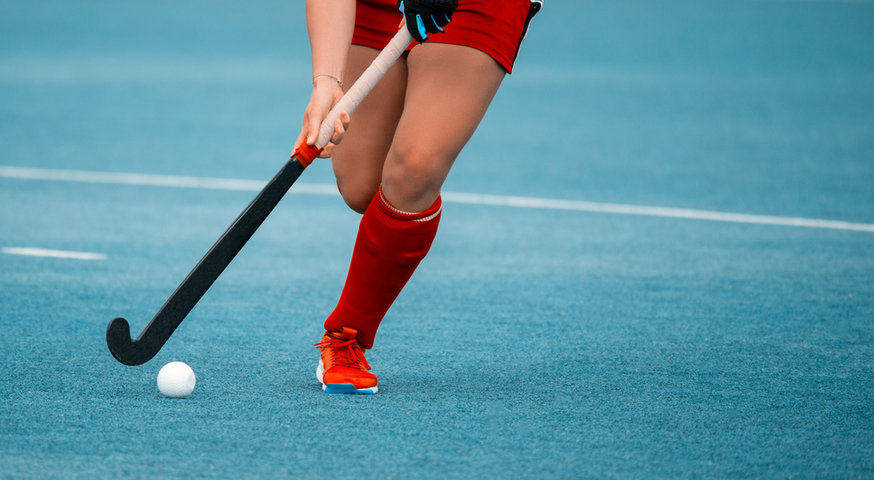
Designing Footwear for Field Hockey
It’s time to don your sticks and shin guards for field hockey season! And while your equipment matters, the reality is that you only touch the ball for a couple minutes each game. Your shoes are the unspoken heroes, because they must carry you through 60 minutes of regulation time, protect your feet, and keep you steady.
While we may not have stick expertise, we do have the inside scoop on footwear, and this is what you can look for in field hockey specialty shoes so you can play and feel your best.
Stick it to Foot Pain This Season
Engineering on Different Terrains
Field hockey is played on a variety of terrains. In the United States it’s common for athletes to play on grass or multi-purpose turf fields during the outdoor season, while indoor field hockey uses turf that tends to be shorter and denser. Elite field hockey, such as the Olympic games, may even be played on water-based turf, adding an extra layer for terrain-specific footwear.
Your footwear and the terrain interact to affect your movement, so your shoes need to work with your playing surface. For example, the studs on a turf shoe will be shorter to reduce friction and reduce impact on the harder surface. Meanwhile, longer studs increase grip on softer, grass fields, especially in poor weather conditions. For turf, the game moves faster across the even surfaces, so you may opt for lighter weight shoes to keep up with the quicker pace.
Built in Protection
It hurts to get whacked with a stick or struck by a wayward ball! While other footwear like soccer cleats may provide traction, field hockey shoes are specifically designed to reduce injuries by providing an extra layer of protection for your feet. Harder reinforcements are added along the heel and toe areas, and higher tops provide more coverage around the ankles where your shin guards end. Field hockey shoes also tend to have thicker midsoles to lift your feet higher from the ground, farther away from the ball.
Stability
Your center of gravity is different in field hockey because the playing stance brings you closer to the ground. Coupled with the quick lateral movements, staying on your feet can be a challenge. Field hockey cleats are designed to improve your stability through treads sporting an all over cleat pattern, with wider cleats at the heels and sides for stopping and changing directions. You may also notice that the midsole is structured to allow for more side-to-side movement and the extra sturdiness around the heel adds support.
The balance of stability and weight that works best for you depends on your playing style, position, and personal preference. Defenders may prioritize stability more to make strong tackles, while offensive players may require lighter weight shoes for agility and reduced fatigue.
Comfort
Comfort should not be overlooked. If your shoe is causing you pain, or highly impacting your mobility, it can affect your play. Here are some ways that brands are building comfort into their field hockey shoes:
● Mesh in the uppers is designed to increase breathability
● Water resistant textures or materials in the uppers keep your feet from getting water-logged on water-based surfaces or in poor weather conditions
● Foam cushioning on the inside can add softness to counteract the hard protection in the uppers
● The outsoles may include design features to improve flexibility
If you’re trying out a new shoe and you’re getting blisters, slipping within the shoe during a game, or experiencing other discomfort, other shoes may be a better fit.
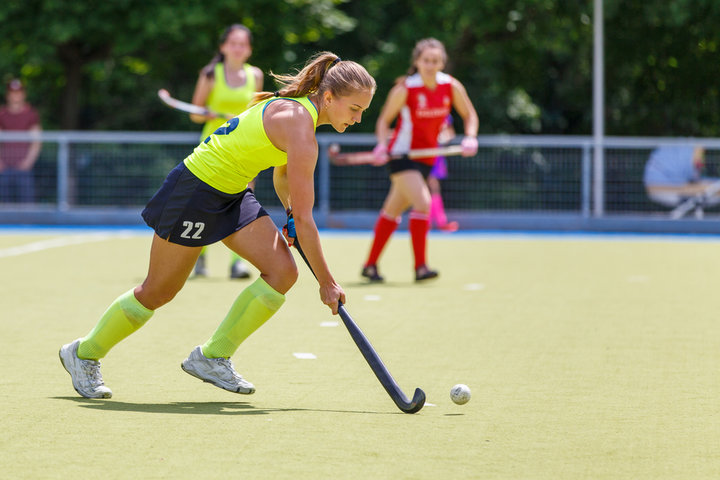
Growing Sport, Growing Options
In the past field hockey players were mostly limited to soccer cleats. Now there are more footwear options than ever before, and brands like Mizona, Osaka, Adidas, and Asics continue to revolutionize their products as participation in the sport grows. It’s a good time to try out the sport - you may just stick with it!
Put More Power into Your Game
If you're looking to add comfort, performance, and support to your next footwear design, check out our Active Comfort foam series: